Comparing Canadian Casino Payment Methods
Transaction times for Canadian casino payments range from near instant with Interac and e-wallets, to up to five business days for credit cards and wire transfers. Most methods offer strong security, but only a few, like PaySafeCard, allow for full anonymity. Deposit minimums often start at $10, while upper limits can exceed $5,000, though withdrawal options sometimes exclude prepaid vouchers. Common restrictions include banks declining gambling transactions and certain e-wallets not qualifying for casino bonuses. Essential differences come down to speed, privacy, and where fees appear:
- Interac – near instant deposits, but some banks block casino transfers
- Credit card – widely accepted, but withdrawals can take several days and fees are common
- E-wallets – fast and private, but sometimes excluded from bonus offers
- PaySafeCard – anonymous deposits, but no direct withdrawals
No single method suits every player or transaction. Limits, acceptance, and hidden charges often depend on the casino and the player's bank.
Which payment options are fastest
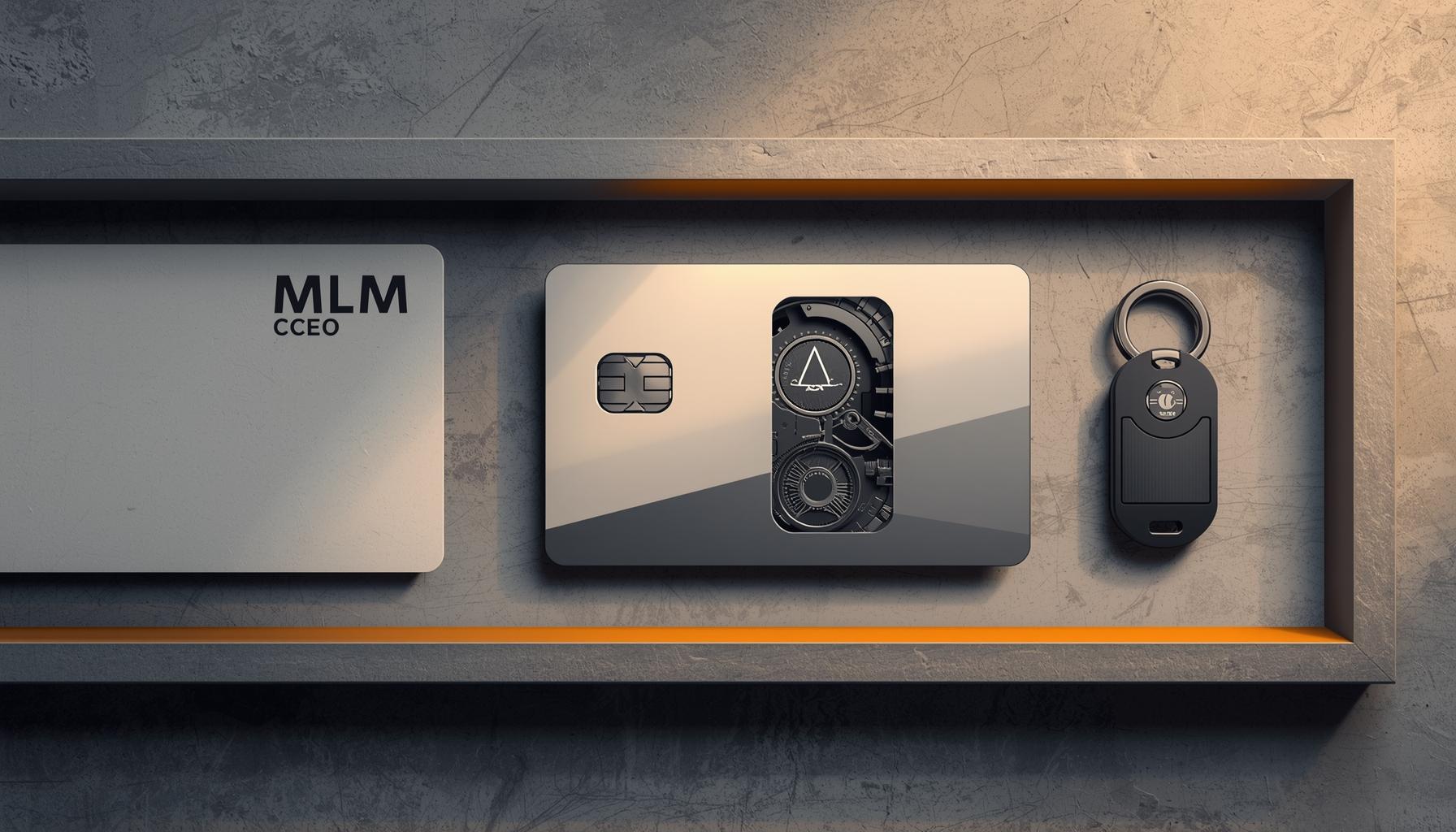
Instant processing usually comes from e-wallets such as Interac or digital wallets tied to Canadian banks. Credit cards and bank transfers often face extra verification, especially for withdrawals, which can add days.
E-wallets consistently deliver the fastest deposits and withdrawals, often settling funds within minutes unless further identity checks are triggered by large transactions.
Speed matters most when a quick withdrawal is needed after a significant win. Casinos may still delay even the fastest method if account verification is incomplete or documents are missing.
How payment method affects your privacy
Credit cards and e wallets require users to provide personal and banking details directly to the casino, which are then often shared with payment processors. Prepaid vouchers and cryptocurrencies, by contrast, limit the amount of identifiable information exposed. Choosing a method shapes how much a player’s identity is linked to gambling activity and who can access those records.
What casinos see about you
Card payments reveal the user’s name and card number to the casino. Prepaid vouchers do not connect these payments to a bank account or personal details.
Traditional credit and debit cards link every deposit to the cardholder’s full legal name and account details. The casino records this information along with each transaction for verification and fraud control.
Digital wallets pass only the wallet account identifier to the casino, not underlying bank details. Prepaid cards and vouchers show just the voucher code or card number, leaving no banking record with the casino.
Some casinos require extra identity proof for large payments. Casinos rarely investigate prepaid voucher sources unless a pattern suggests fraud.
What banks and processors know
Direct bank transfers and e-wallets expose different levels of user information to financial institutions. Some methods flag transactions that mention gambling, while others conceal the merchant category. These differences lead to distinct privacy outcomes and influence future account decisions:
- Bank transfer–account name and recipient flagged in transaction records
- E-wallet–processor sees only transfer, not merchant purpose
- Interac e-Transfer–financial institution may detect gambling based on recipient patterns
- Cryptocurrency–exchange sees wallet address but not gambling site details
Repeated gambling-related transactions can trigger account reviews or payment denials. Some banks classify frequent transfers to known gambling processors as higher risk and may restrict similar payments.
Cashless methods that demand less personal information offer stronger privacy. For those concerned about anonymity, prepaid vouchers and certain cryptocurrencies reduce the digital footprint left behind.
When fees and limits surprise you
Bank transfers and e-wallets rarely show their true cost upfront. Some casinos set limits that block large withdrawals or force small deposits to pay extra. Players often only learn about international transaction fees or daily maximums after funds are locked or eaten up by charges.
Unexpected costs with deposits
Credit card deposits often attract hidden fees that are not immediately visible on the casino’s cashier page. This becomes especially significant when the service provider adds a foreign transaction surcharge, which is not always disclosed up front.
E-wallets and credit cards are the most common culprits for unexpected deposit charges, with some banks classifying gambling payments as cash advances, triggering additional fees.
Many players overlook that the posted deposit amount does not always match the amount withdrawn from their account. Choosing direct bank transfers or Interac typically sidesteps these surprise charges, as these methods rarely carry hidden fees for domestic transactions.
Withdrawal limits and delays
Withdrawal requests over a few thousand dollars often trigger extra verification, leading to longer waits. Wire transfers tend to draw out the process due to bank reviews, while e-wallets see faster handling but lower maximums.
| Method | Typical Limit (per transaction) | Processing Time | Common Delay Triggers |
|---|---|---|---|
| E-wallet | $1,000-$4,000 | Within 24 hours | Frequent ID checks for larger sums |
| Bank transfer | $5,000-$10,000 | 2-5 business days | Bank holidays, additional paperwork |
| Credit card | $2,500-$5,000 | 1-3 business days | Issuer declines, extra security review |
| Interac | $3,000 | 24-48 hours | Mismatch in account details |
| Cheque by mail | $10,000 | 7-21 days | Address verification, postal slowdowns |
E-wallets usually bypass the slowest steps but cap withdrawals sharply. ID mismatches or holiday periods slow every method regardless of the promised timeline.
Unexpected fees and tight limits can erode winnings or stall payouts. Transparent terms and careful review of payment rules protect both bankroll and peace of mind.
Who can and cannot use each method
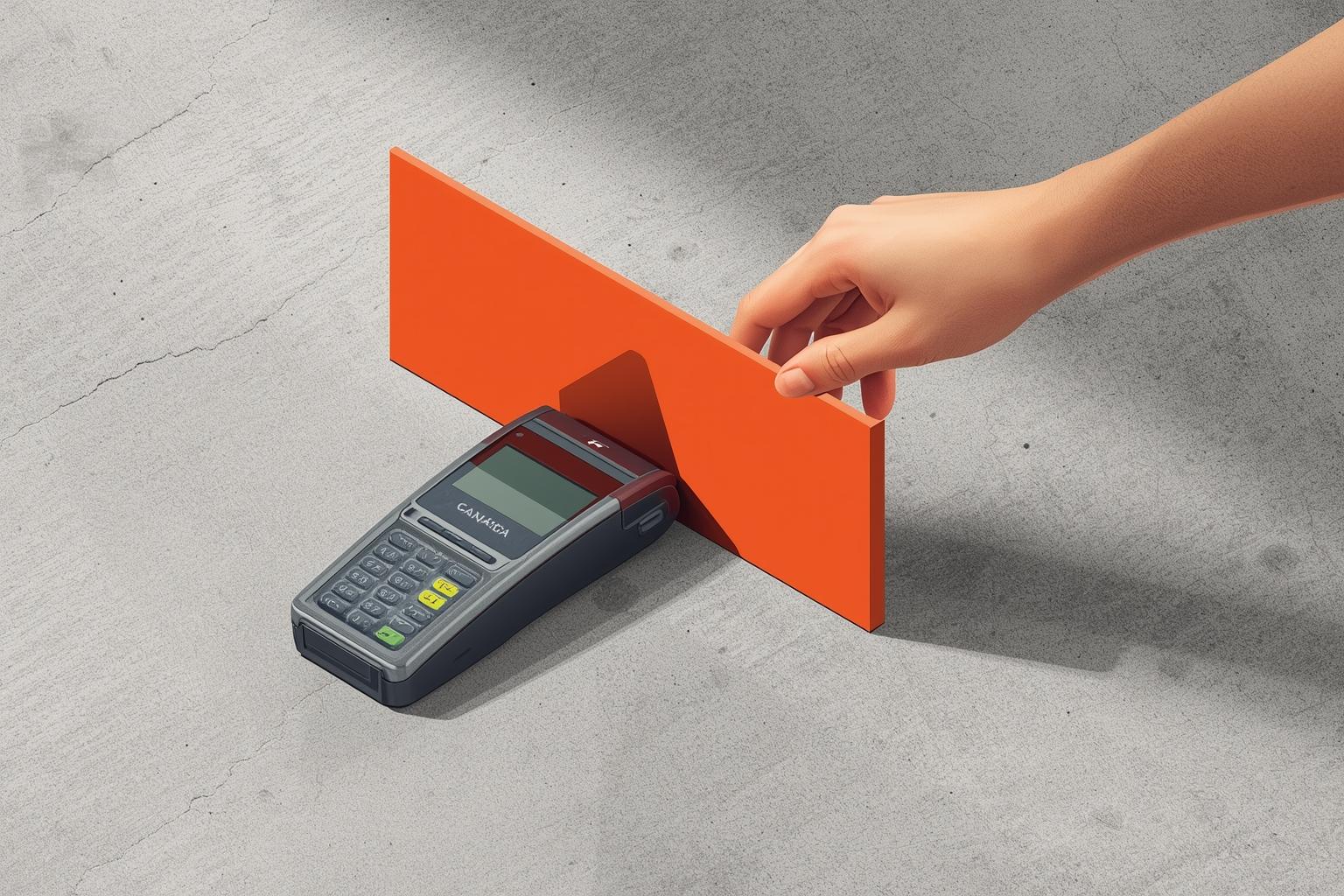
Location rules and identity checks often shape access to casino payments. Some methods require full verification, while others accept only those with local bank accounts. Each pathway creates its own barriers for certain groups:
- Interac e Transfer – excludes anyone without a Canadian bank account
- Credit cards – blocks underage users and those with poor credit checks
- Cryptocurrency – restricts unverified or anonymous wallets
- Bank wire – not available to non residents or foreign addresses
Travelers and newcomers face the most friction with strict account or residency requirements. Using a verified local bank account sidesteps most of these blocks.